Pottery · Tool use
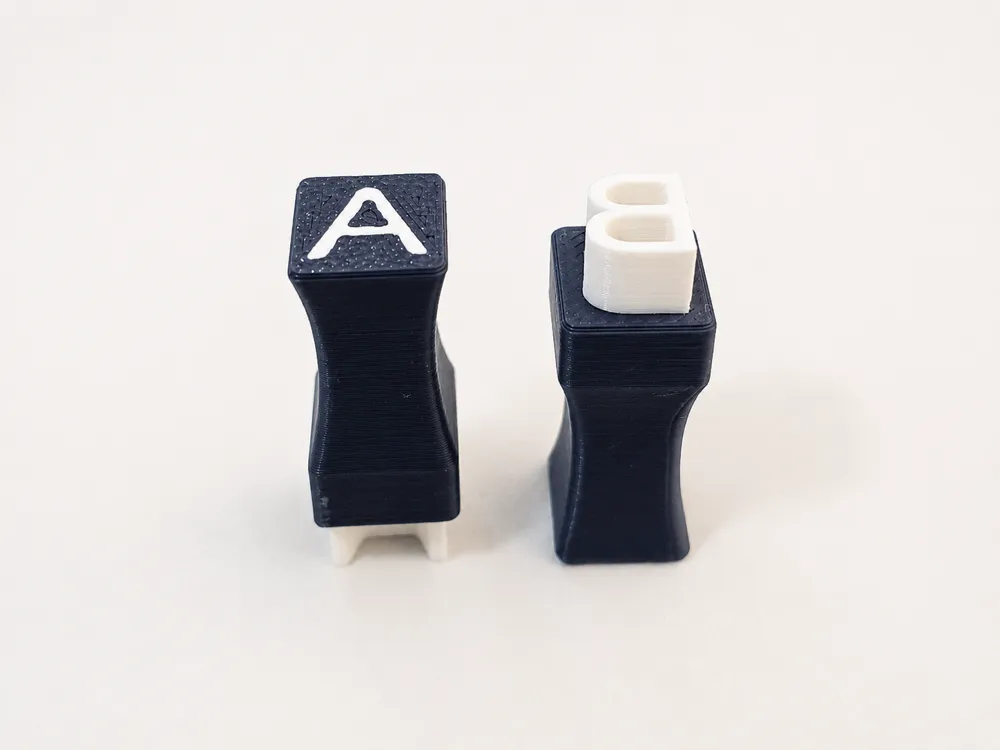
How to use and align letter stamps in clay
Identify your characters, check their orientation and apply an even impression in soft clay.
Read the guide: How to use and align letter stamps in clay
GUIDES AND STUDIES
Tool guides and published articles on pottery techniques. Explore the tutorials, visit the blog and discover Ceramics by Hand, our English book and workbook.
Pottery · Tool use
Identify your characters, check their orientation and apply an even impression in soft clay.
Read the guide: How to use and align letter stamps in clay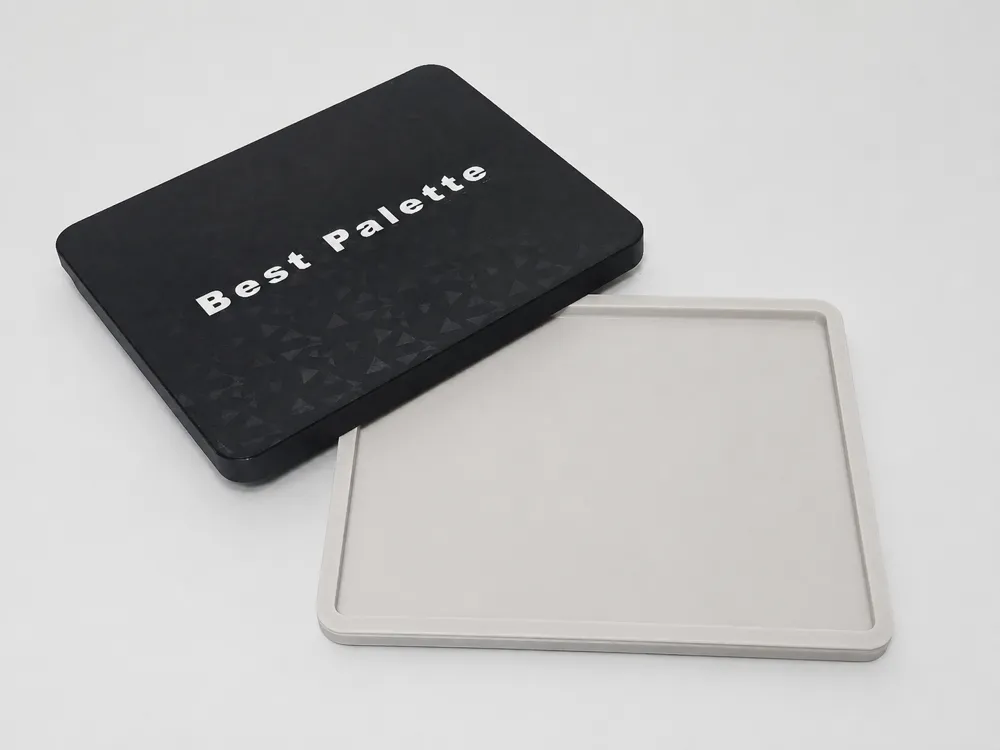
Painting · Workbench preparation
Choose a size, prepare your paper and sponge, and understand the optional gasket.
Read the guide: How to assemble and use the SenseCraft wet paletteMOLDS · PDF
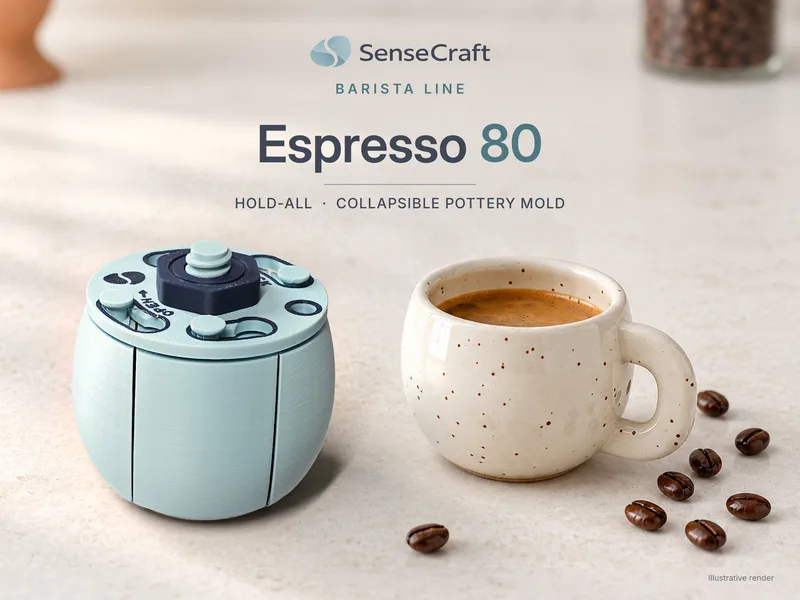
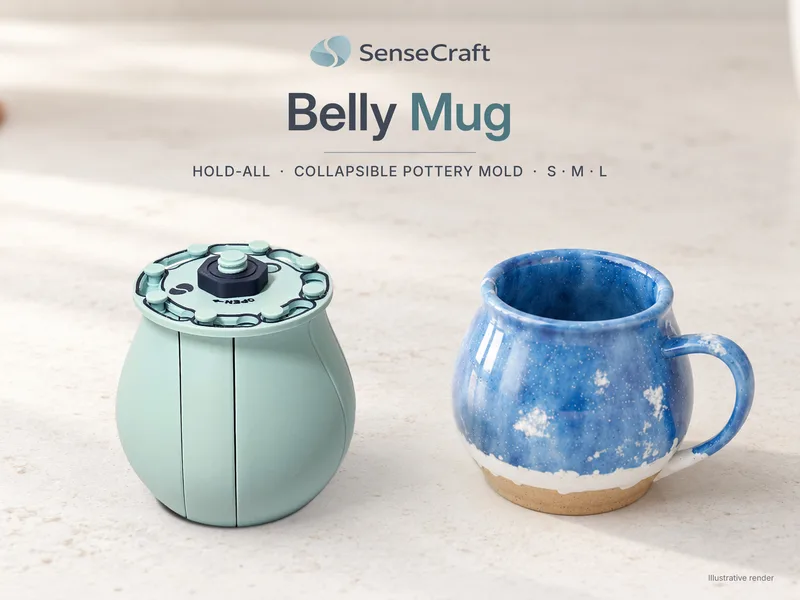
PDF user guides for SenseCraft molds, whether you printed the mold from MakerWorld or bought it already printed. Full-size paper templates are inside the guide or in a separate PDF: print them at 100% (actual size).

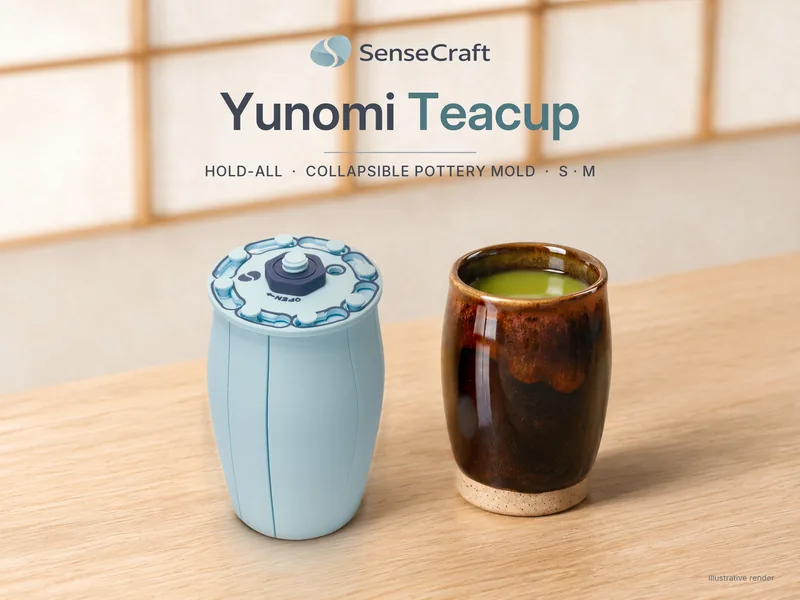
Hold-All · teacup S and M
User guide Yunomi Teacup (PDF, 0.9 MB) · 1:1 templates Yunomi Teacup (PDF, 0.1 MB)
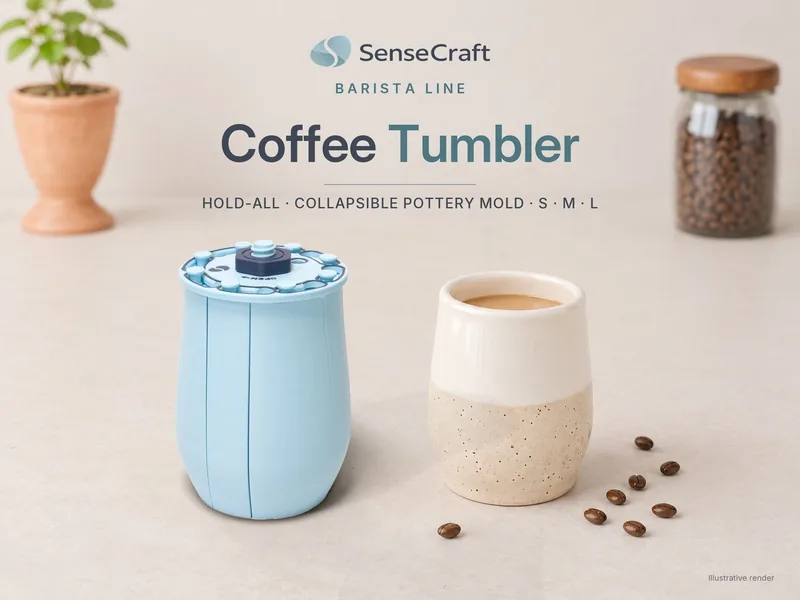
Hold-All · coffee tumbler S, M and L
User guide Coffee Tumbler (PDF, 0.9 MB) · 1:1 templates Coffee Tumbler (PDF, 0.1 MB)


FROM THE BLOG · HANDBUILDING
Published articles on techniques, process decisions and limitations. Follow each link to the full article on the blog.
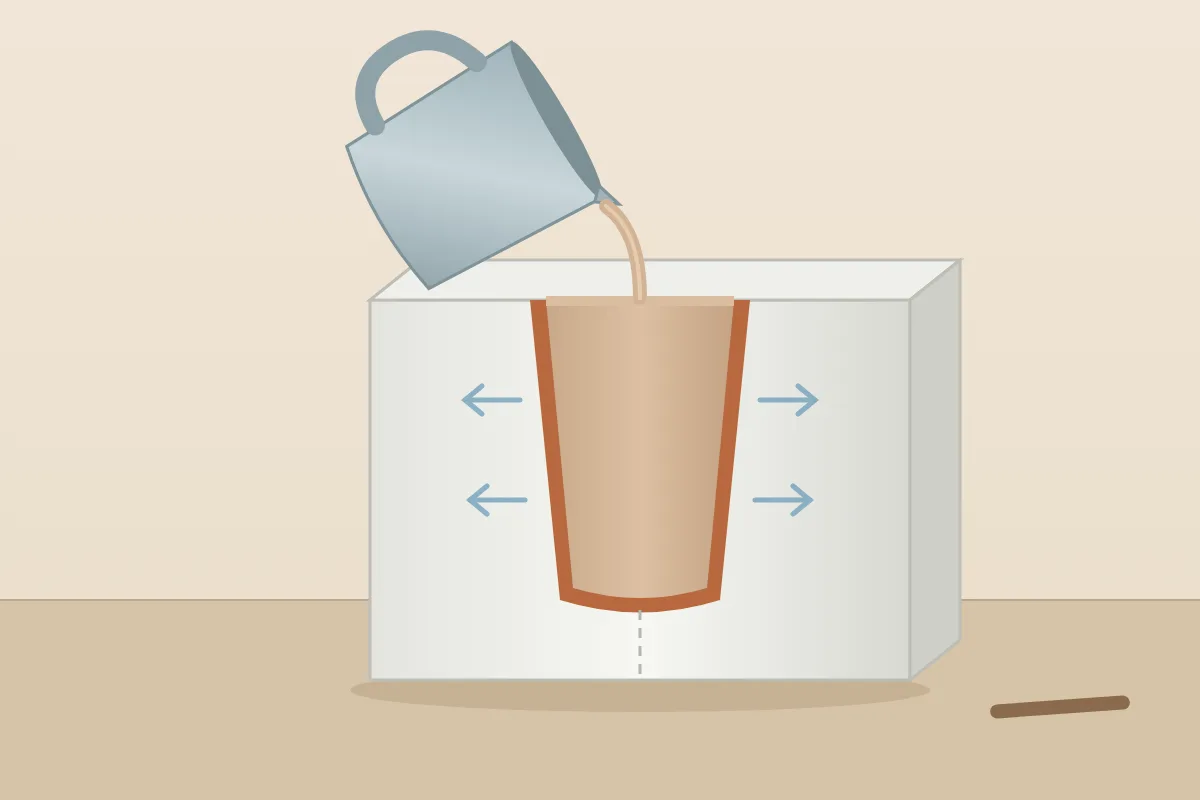
chapter 18
Slip casting pottery in a plaster mold: how the wall forms, casting slip density and flow, mold condition, draining, demolding and common casting defects.
Read the article: Slip casting pottery: how to cast in a plaster mold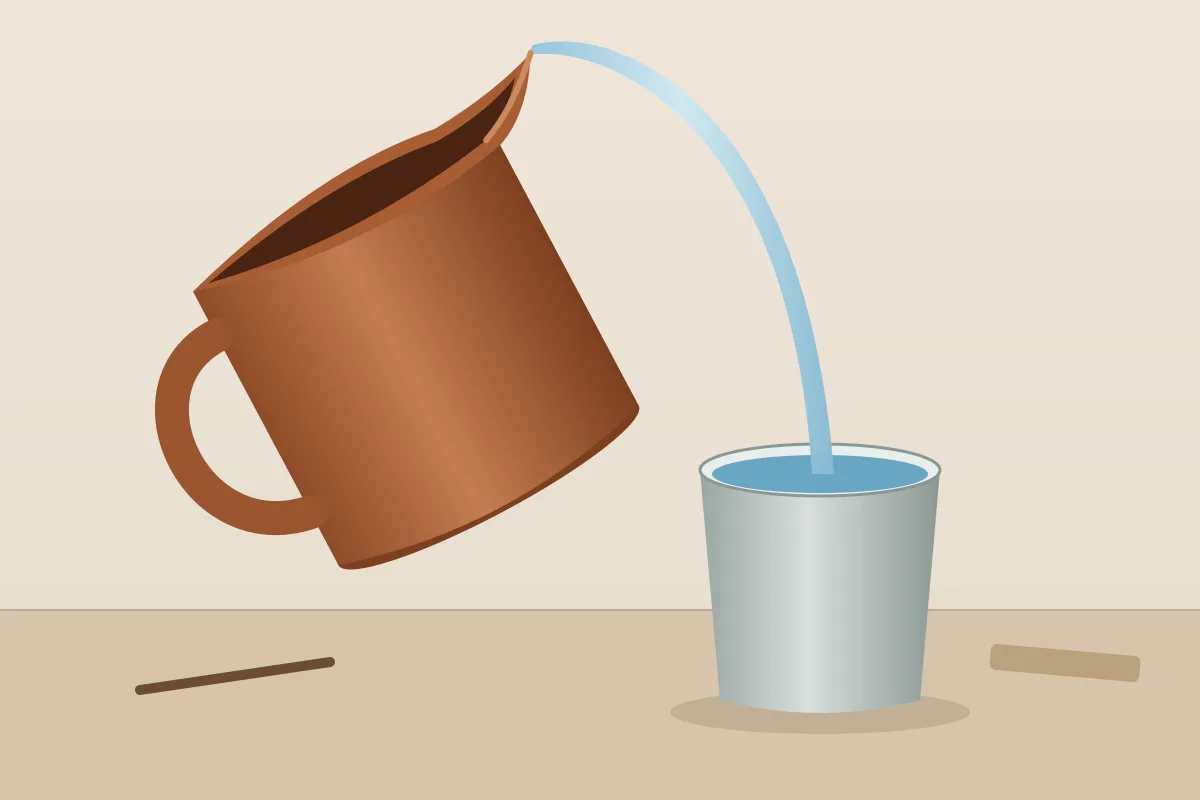
chapter 15
How to make a pitcher spout by hand: pulled lip or added spout, opening the body, fill level, venting, cleaning access and why the pitcher drips at the end.
Read the article: How to make a pitcher spout: pouring lip and spout by hand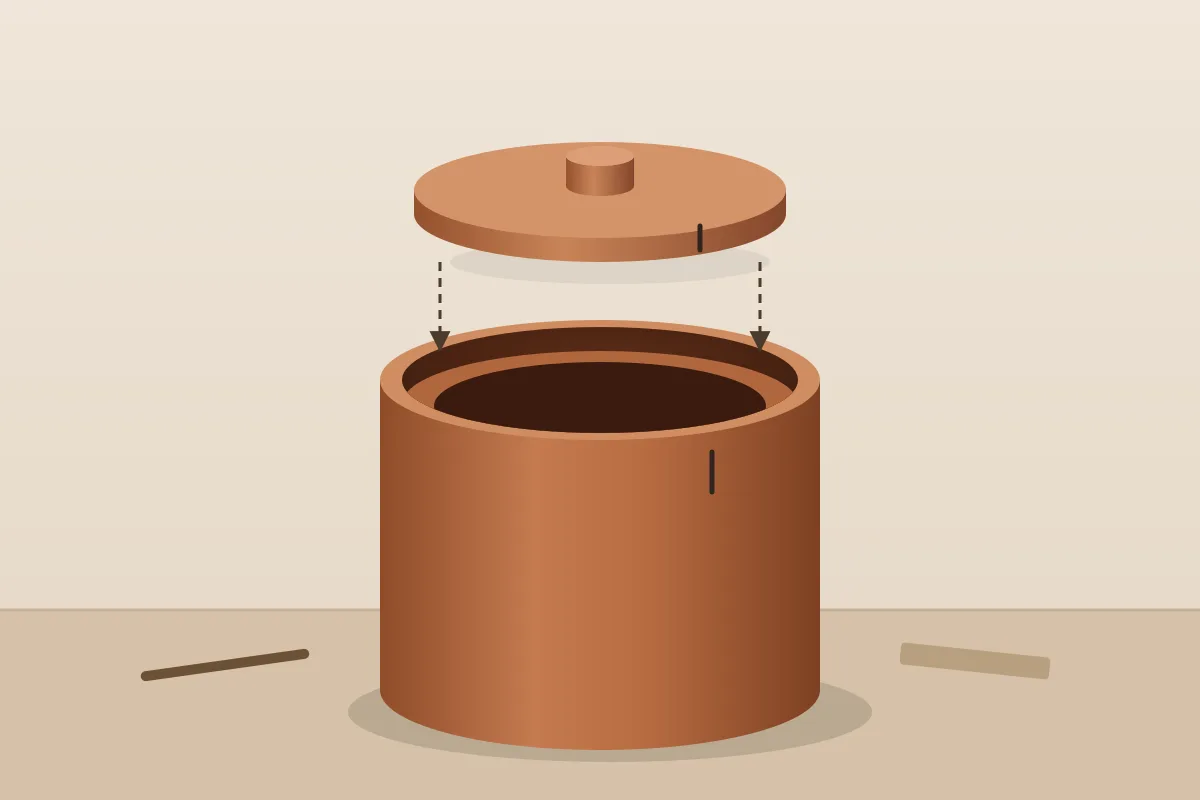
chapter 14
How to make a lid for a handbuilt pot: pick the fit and gallery, plan clearance for shrinkage and glaze, dry and fire the pair, and deal with a lid that sticks.
Read the article: How to make a lid for a handbuilt pot: fit, gallery and clearance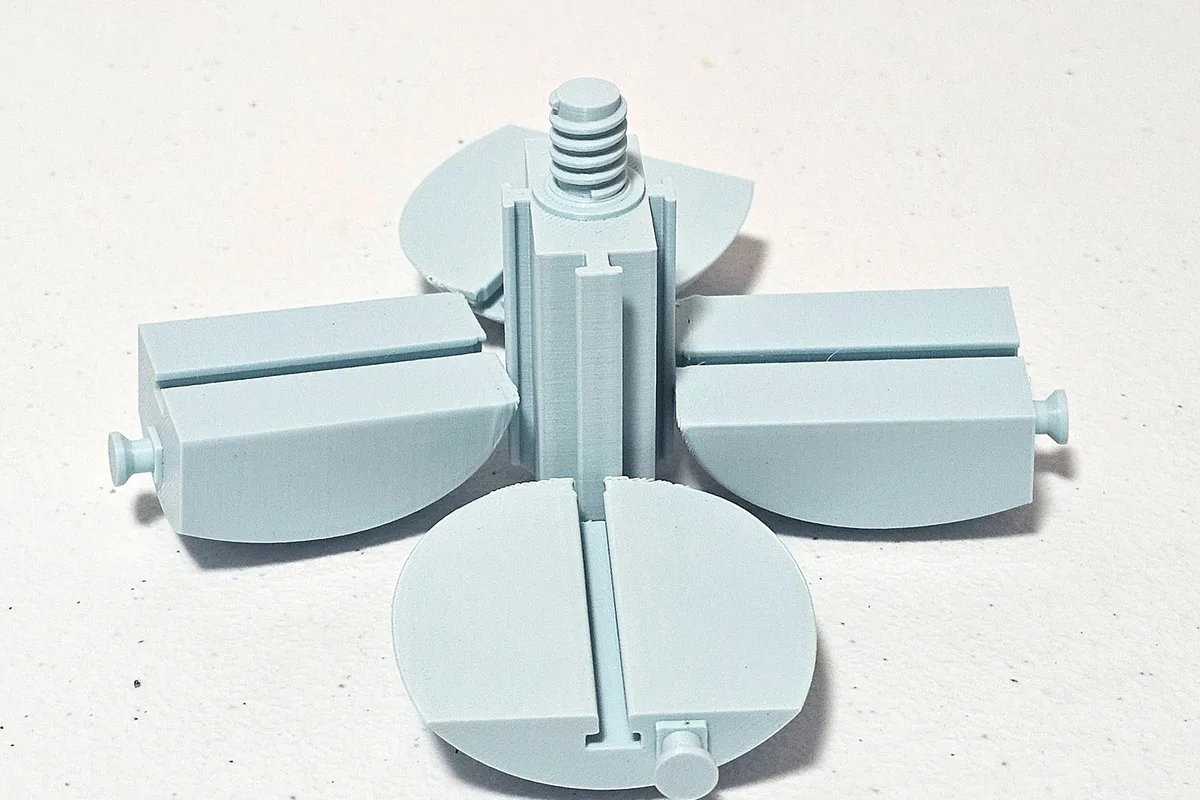
chapters 16 and 19
How to 3D print a pottery mold while preserving its clearances, remove brim and supports, clean it after use and store it away from heat, with a checklist.
Read the article: 3D-printed pottery molds: how to print, clean and store them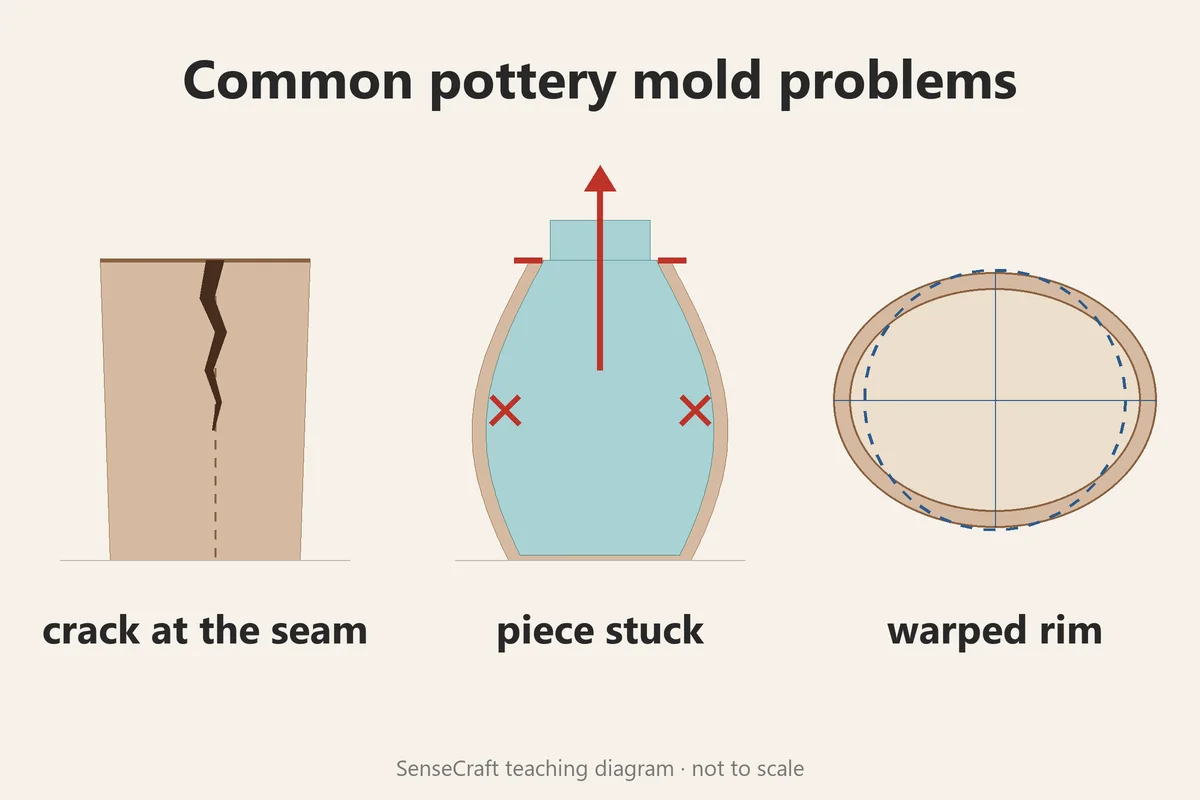
chapter 26
Pottery stuck in the mold, a cracked seam or a warped rim: find out when the problem appeared, what to check and what to change on the next piece you make.
Read the article: Pottery stuck in the mold, cracked seams and warped rims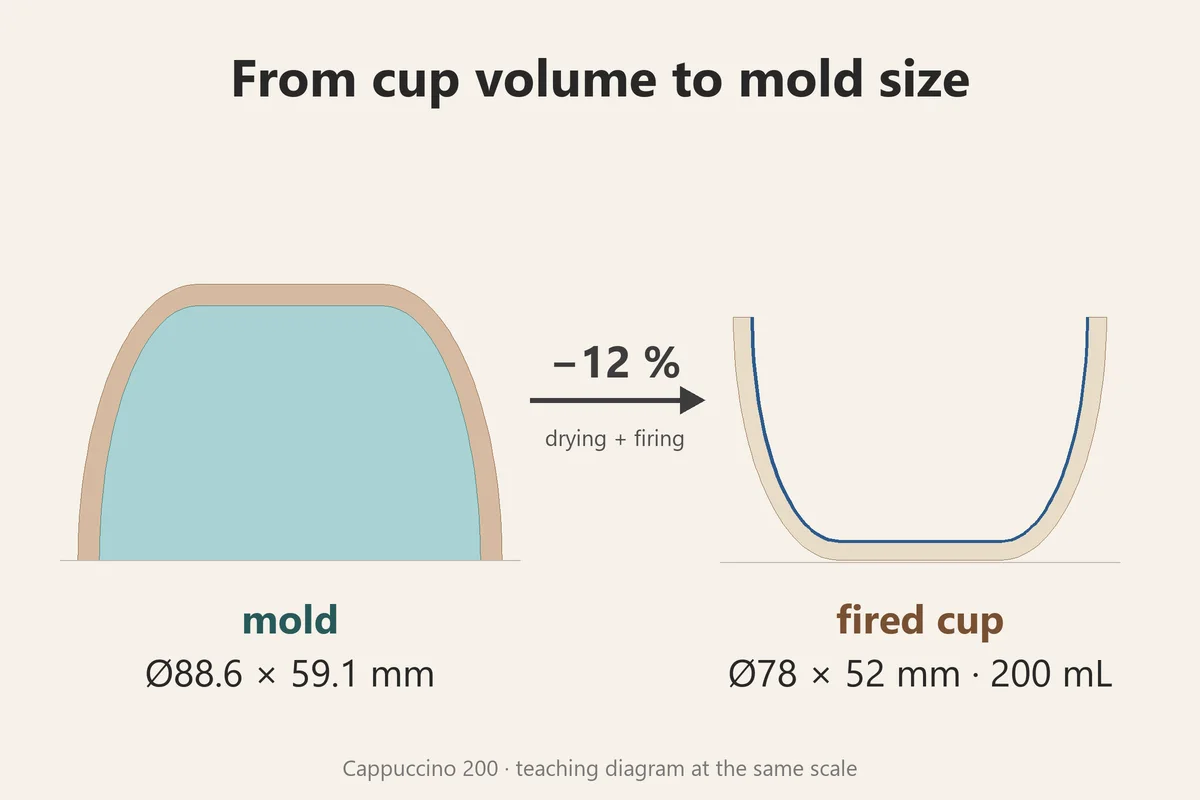
chapter 4
How to size a pottery mold: start from the fired capacity you want, divide each size by (1 − shrinkage) and check the volume with the cube of that factor.
Read the article: How to size a pottery mold: from cup volume to wet clay size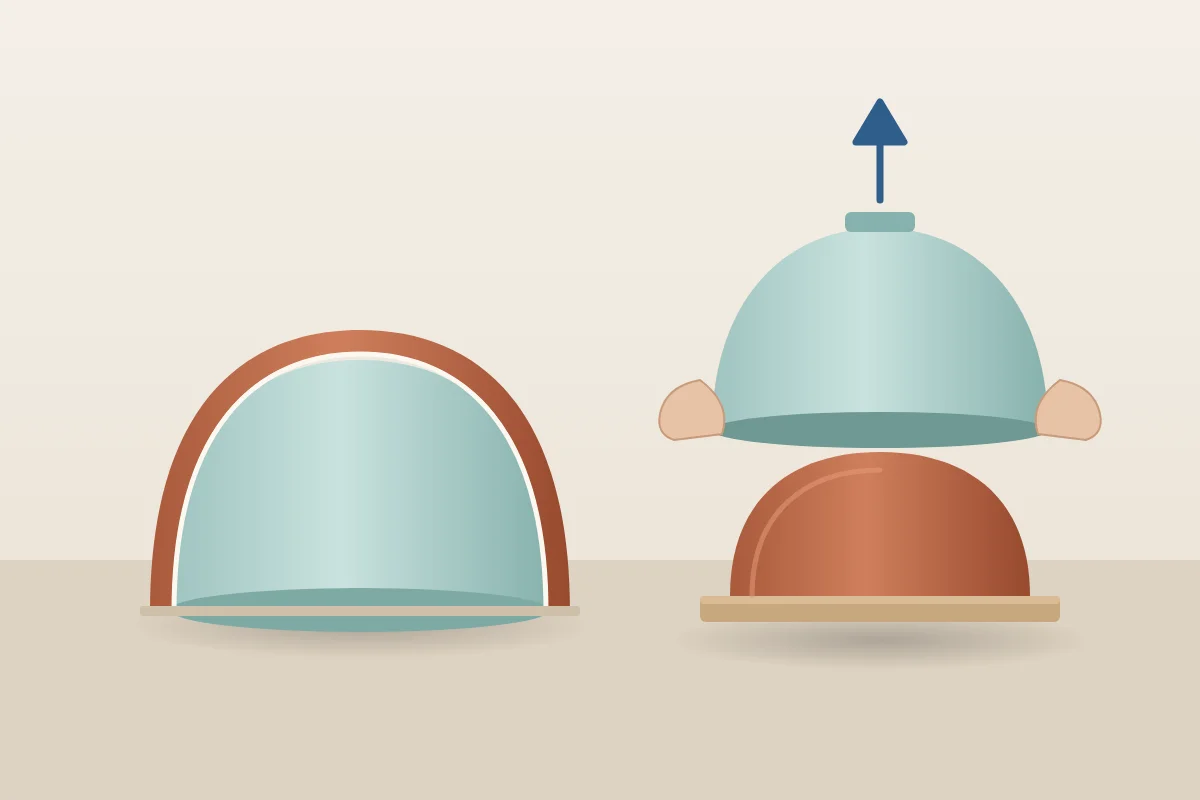
chapter 16
How to keep clay from sticking to a pottery mold: tell adhesion from undercuts and shrinkage, know when a release layer helps and when to take the piece off.
Read the article: How to keep clay from sticking to a pottery mold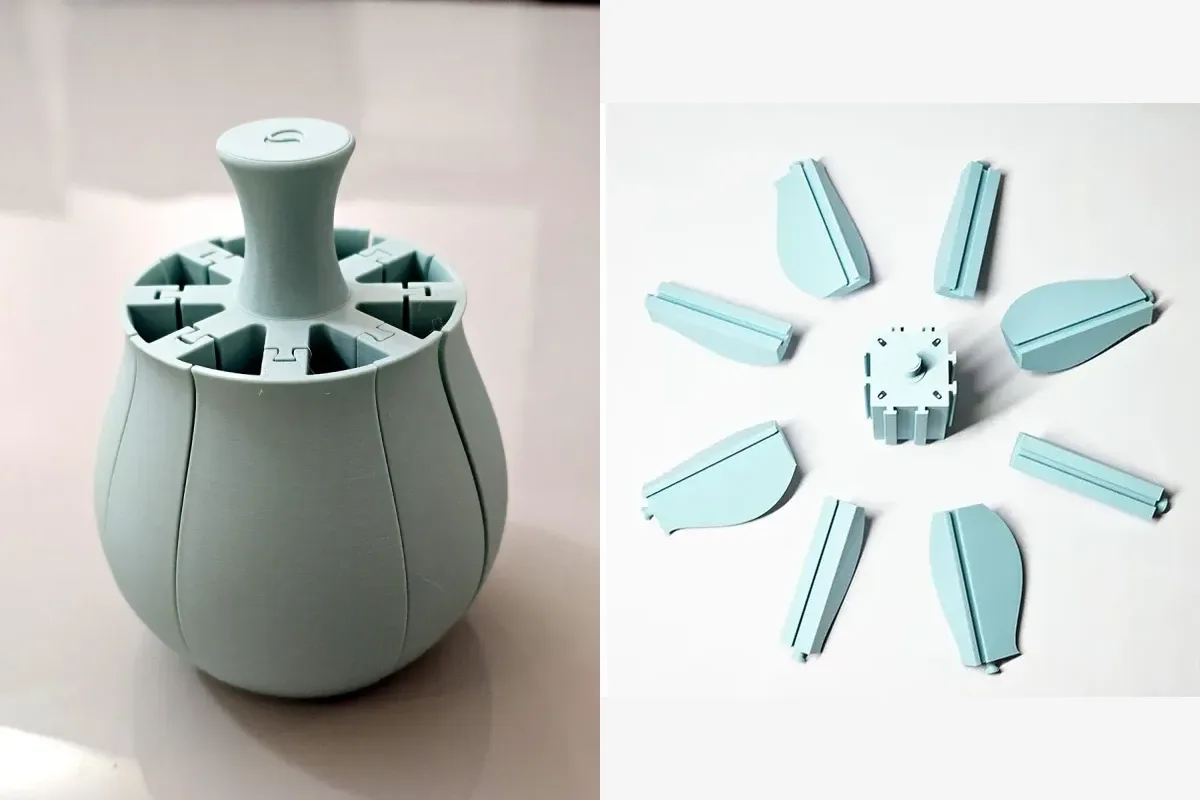
chapter 19
Collapsible pottery molds: how the core pulls in so a piece can leave through a narrow opening, how to plan the order of the parts, and when you don't need one.
Read the article: Collapsible pottery molds: how they work and when to use one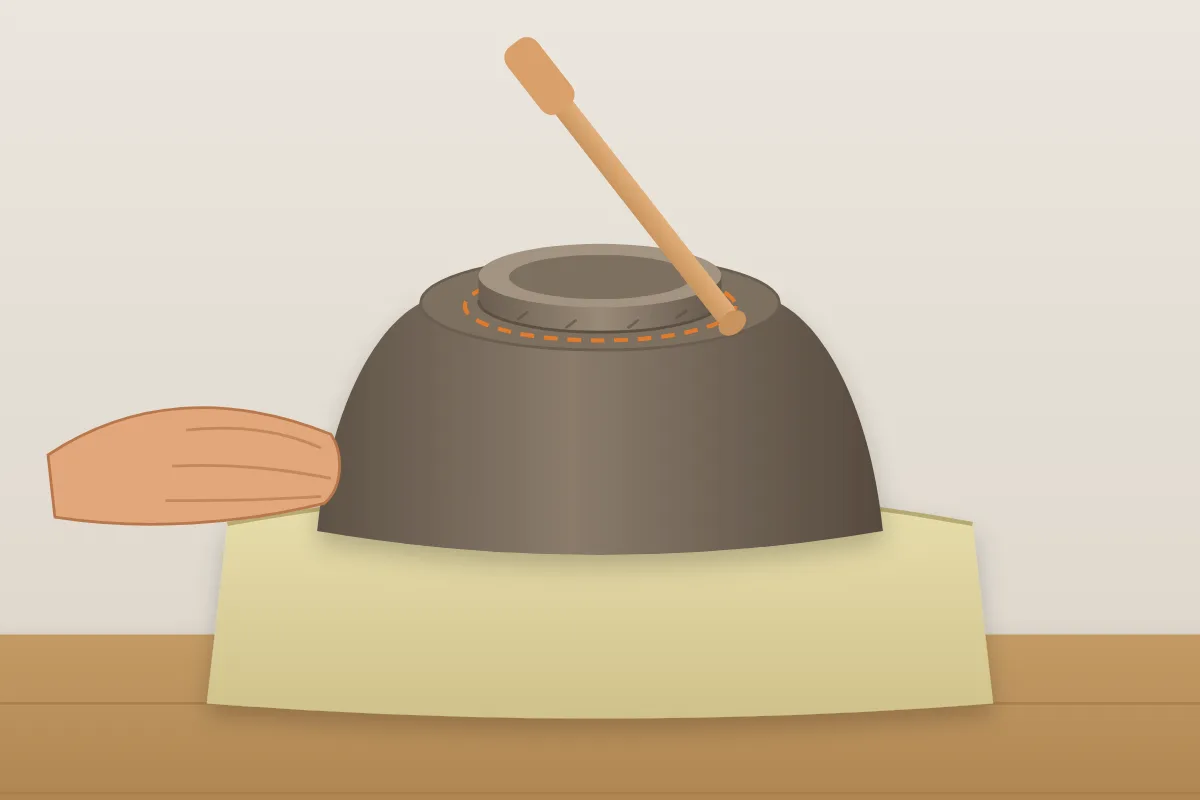
chapter 12
How to add a foot ring to handbuilt pottery: compare a ring and separate feet, center the base, join the clay, check rocking and prepare for firing.
Read the article: How to add a foot ring to pottery: rings, three feet and centering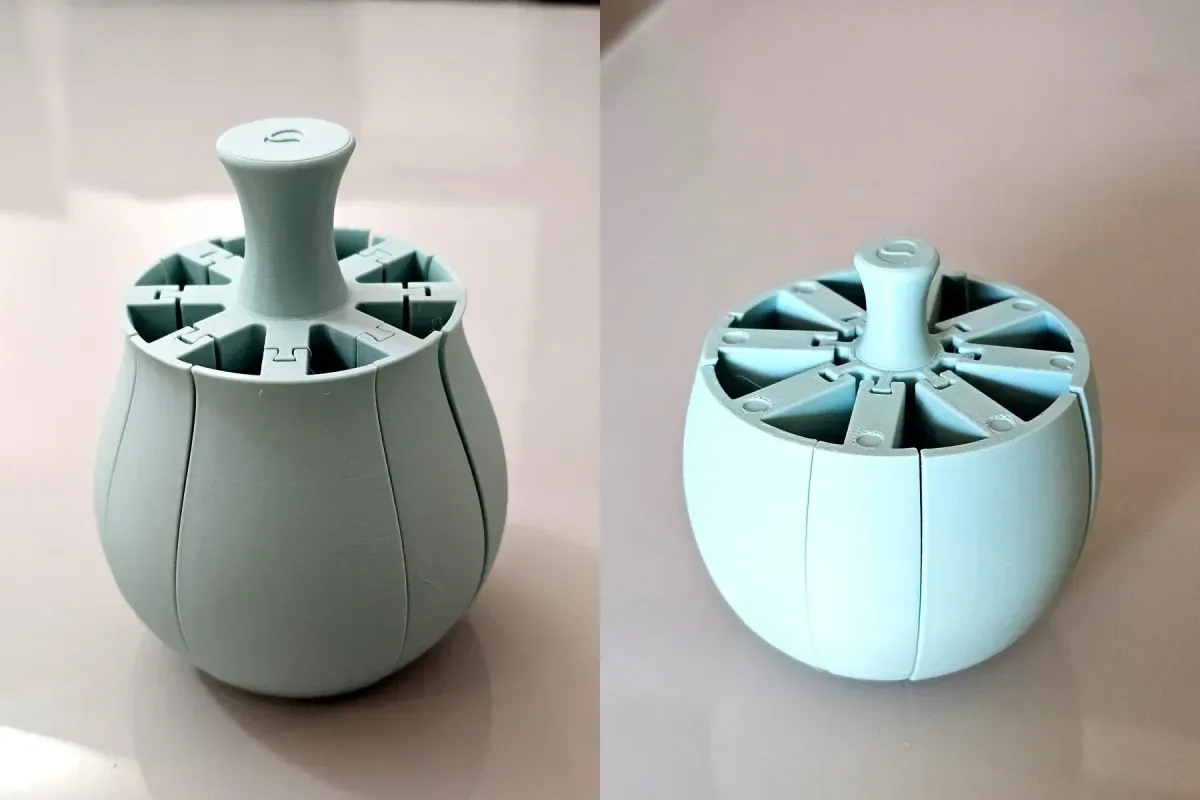
chapters 16, 17 and 19
Plaster, MDF or 3D-printed pottery mold: what each one does, which clay it suits, when a printed mold is not the right choice, and how to decide.
Read the article: Plaster, MDF or 3D-printed pottery mold: how to choose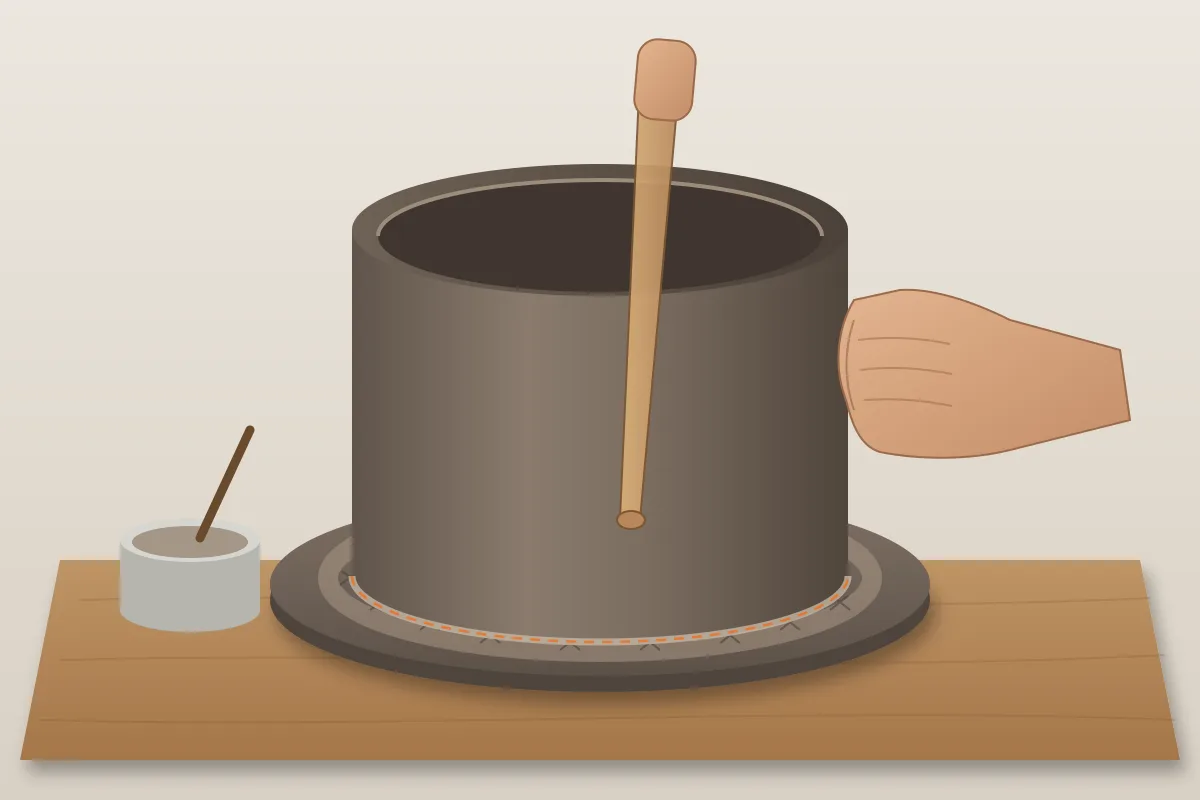
chapter 11
How to attach a bottom to a slab pot: wall on slab or inset bottom, how to size the disc, cut and move it, join it with backing support, and why seams open.
Read the article: How to attach a bottom to a slab pot: size, cut and join it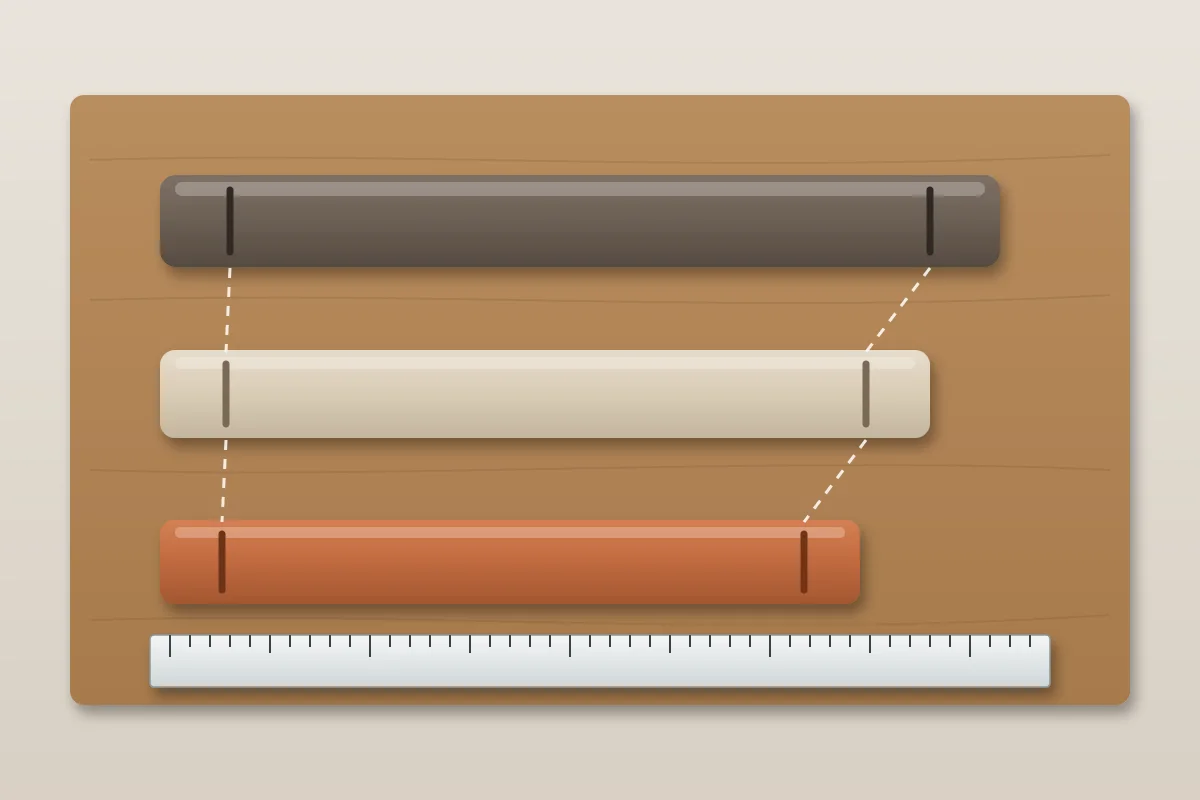
chapter 4
Clay shrinkage: measure a test bar wet, dry and fired, learn why the percentages don't add up and estimate the dimensions you need before you build.
Read the article: Clay shrinkage: how to measure, calculate and compensate for it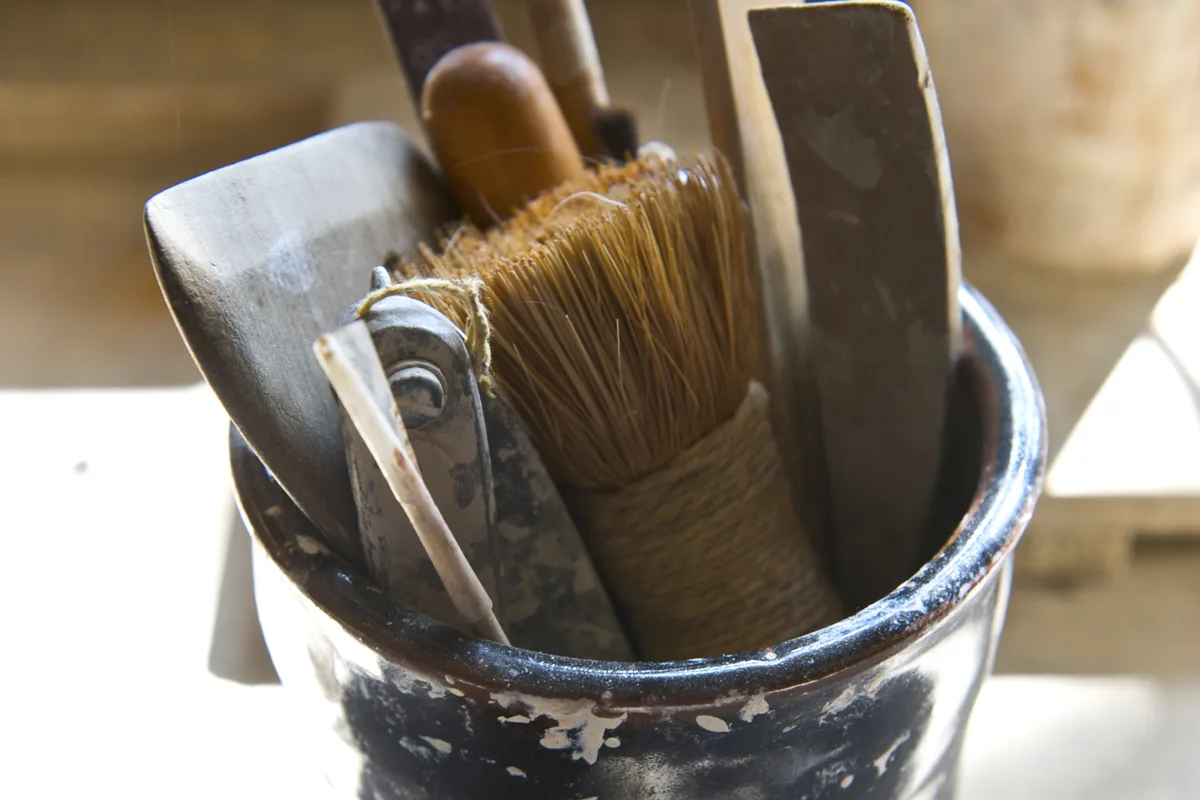
chapter 1
How to start pottery at home: set up a small workspace, choose a few tools, clean up without raising dust, handle clay waste and arrange firing elsewhere.
Read the article: How to start pottery at home: workspace, cleanup and firing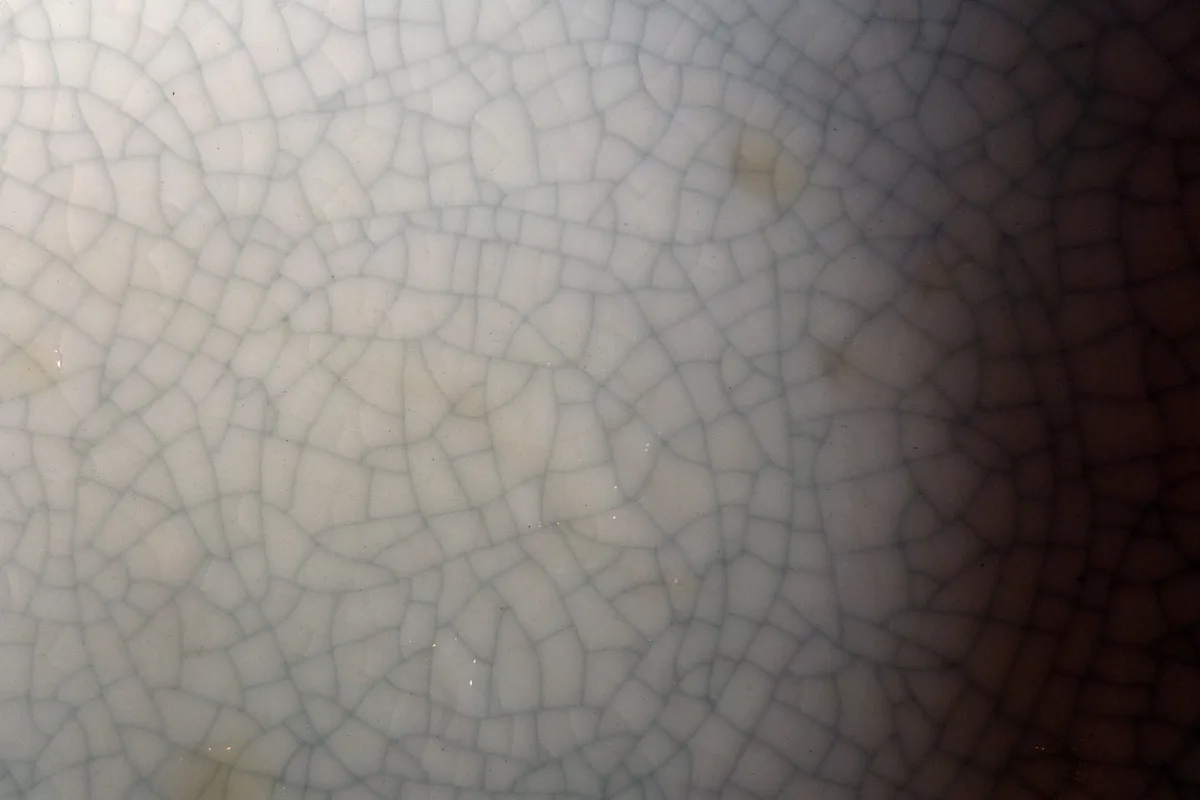
chapter 26
Pottery defects explained: how to record cracks, warping, crazing, crawling and pinholes, compare likely causes and decide whether to hold or remake a piece.
Read the article: Pottery defects: cracks, warping and glaze faults explained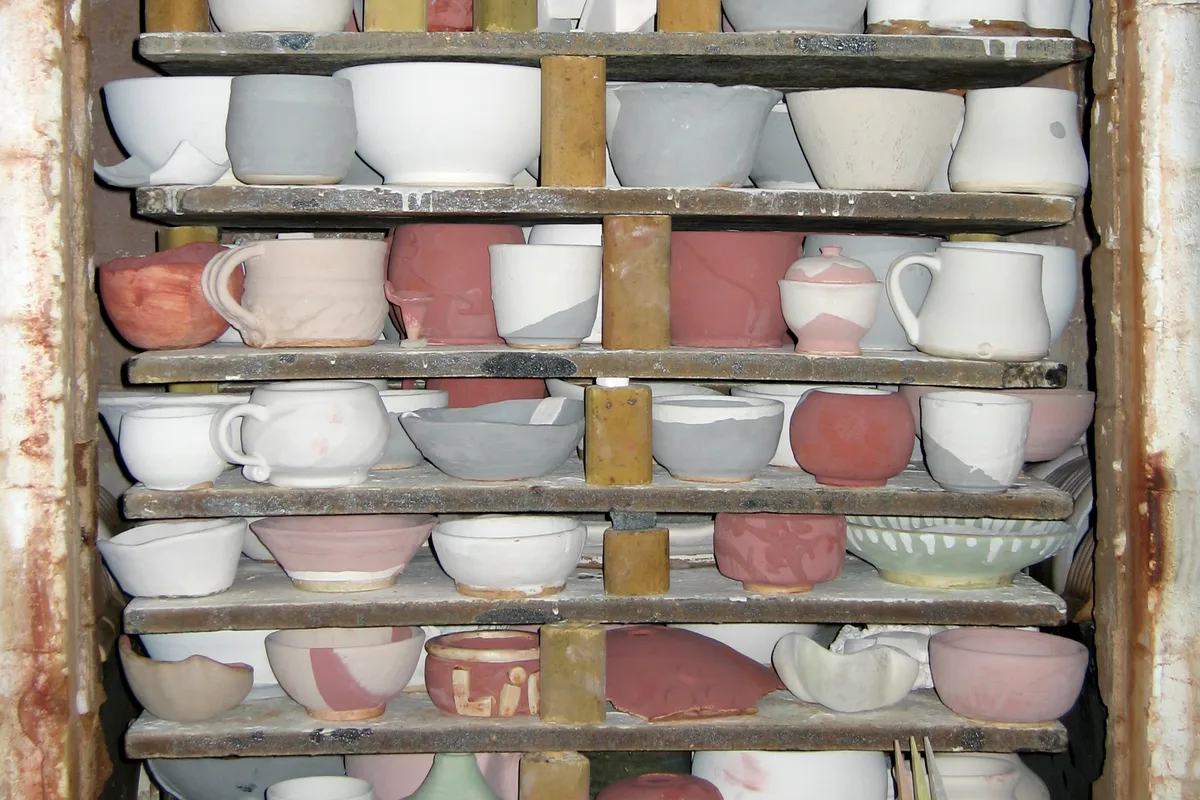
chapter 25
Pottery firing explained: the difference between bisque and glaze firing, what pyrometric cones show and what to record before and after the kiln.
Read the article: Pottery firing explained: bisque, glaze firing and pyrometric cones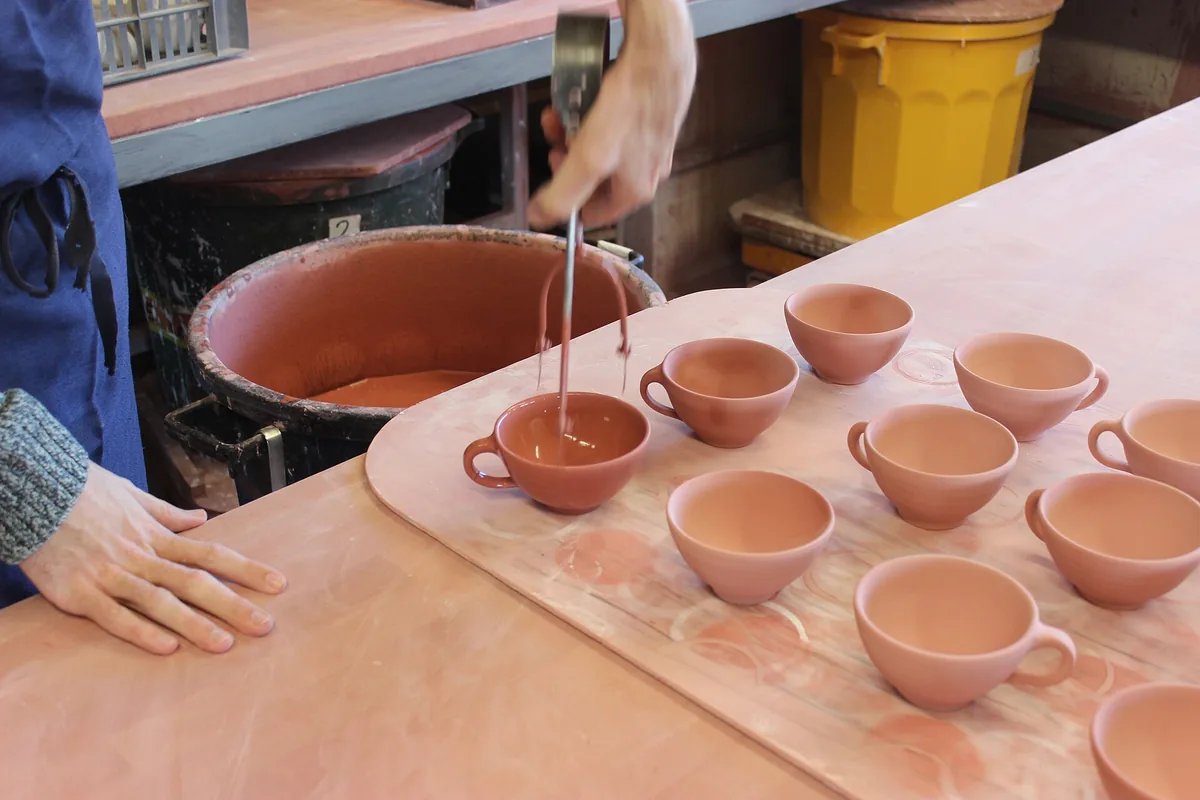
chapter 23
How to glaze pottery as a beginner: read the glaze label, prepare bisqueware, brush or dip the glaze, keep the foot clean and make useful test tiles.
Read the article: How to glaze pottery for beginners: brushing, dipping and test tiles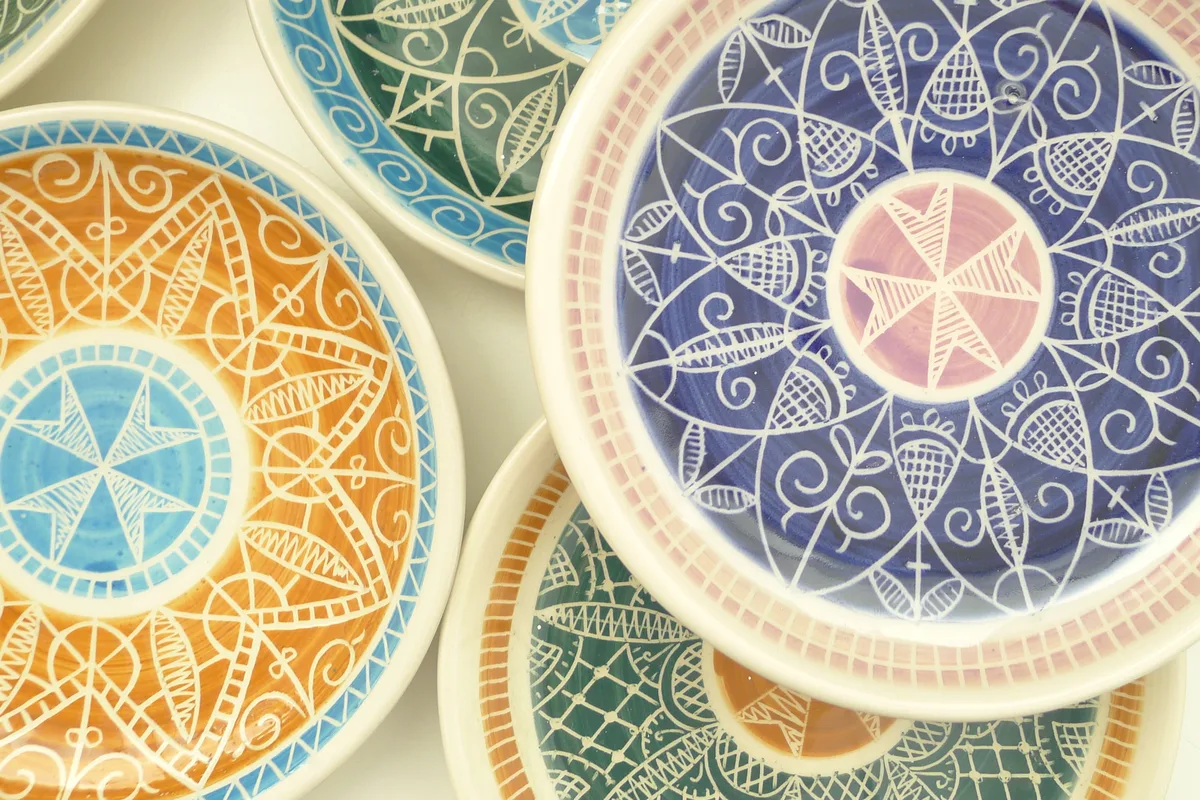
chapter 22
What is slip in pottery? Learn how to apply decorative slip, compare it with underglaze and glaze, create sgraffito, use wax resist and test fired colors.
Read the article: Slip in pottery: what it is, how to apply it and how to do sgraffito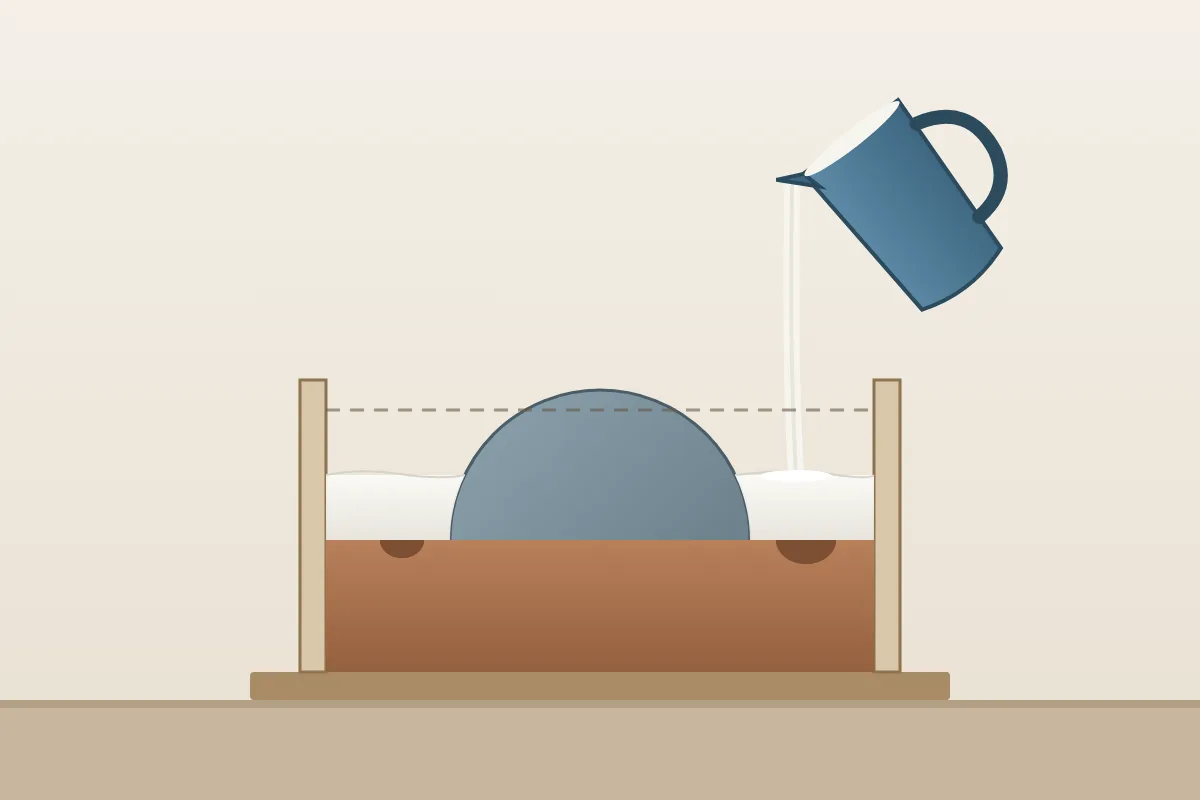
chapter 17
How to make a plaster mold for pottery: choose the plaster, work out water and powder, build the mold box, make a two-part mold and dry it without damage.
Read the article: How to make a plaster mold for pottery: plan, pour and dry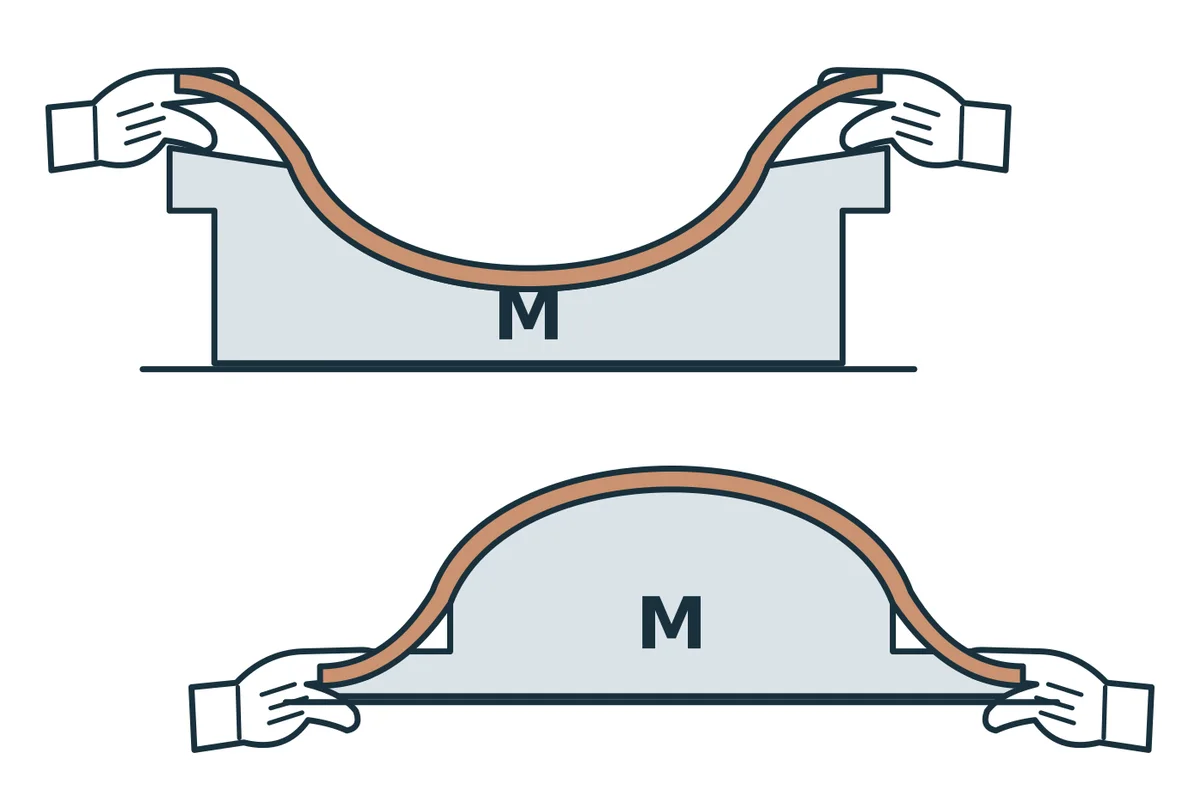
chapter 16
How to use hump and slump molds: choose the right mold, fit a clay slab without wrinkles, avoid undercuts and release the piece without distortion.
Read the article: Hump and slump molds: how to shape a clay slab and release it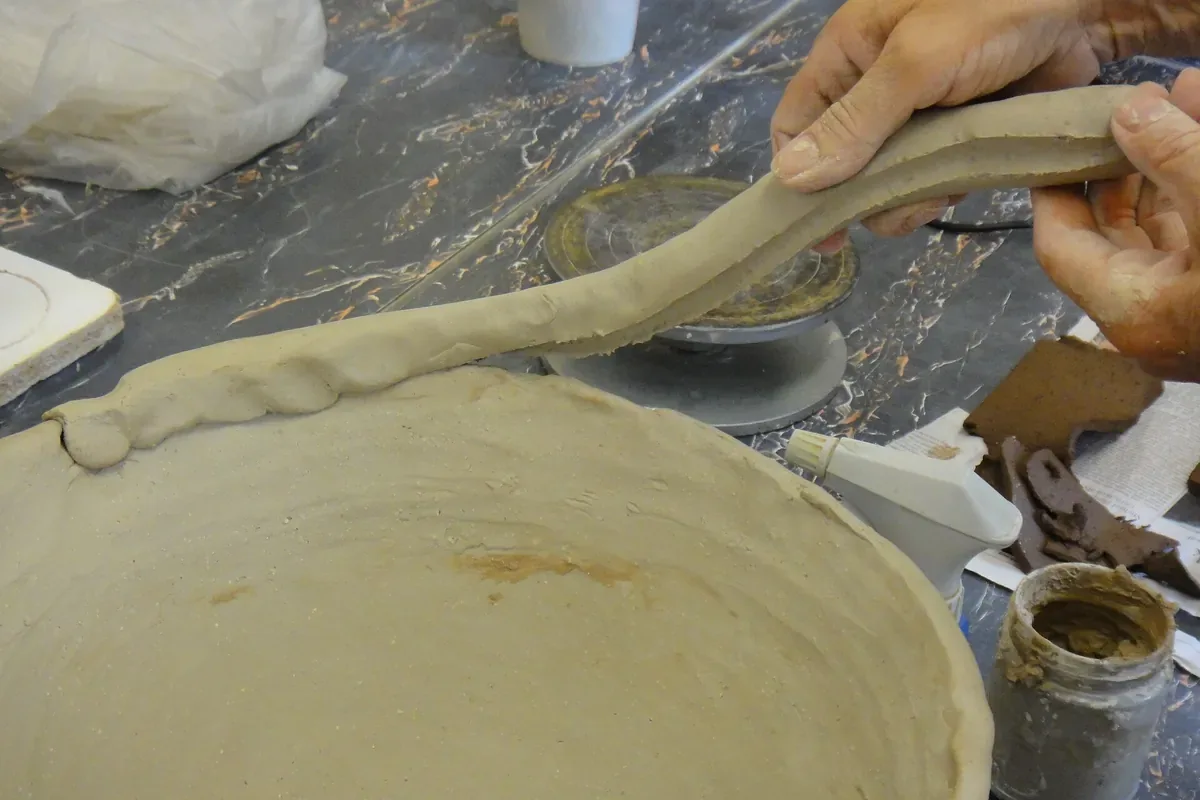
chapter 7
Coil pottery step by step: roll and join clay coils, shape the walls, adjust the profile, pause and resume, and troubleshoot cracks and open joints.
Read the article: Coil pottery: how to build and shape a pot by hand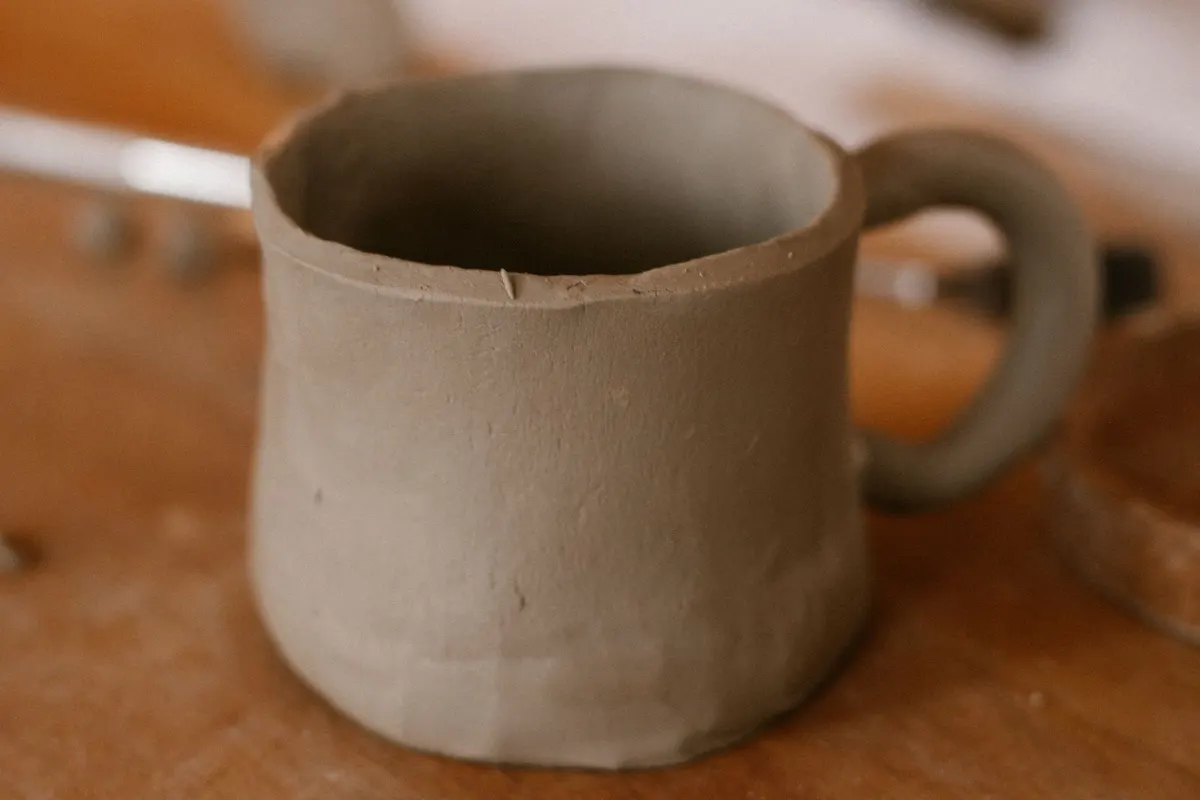
chapter 13
How to make a mug handle without a wheel: coil, slab-strip and pulled handles, sizing, fitting the ends, attaching, drying and preventing cracks.
Read the article: How to make a mug handle: shaping, fitting and attaching by hand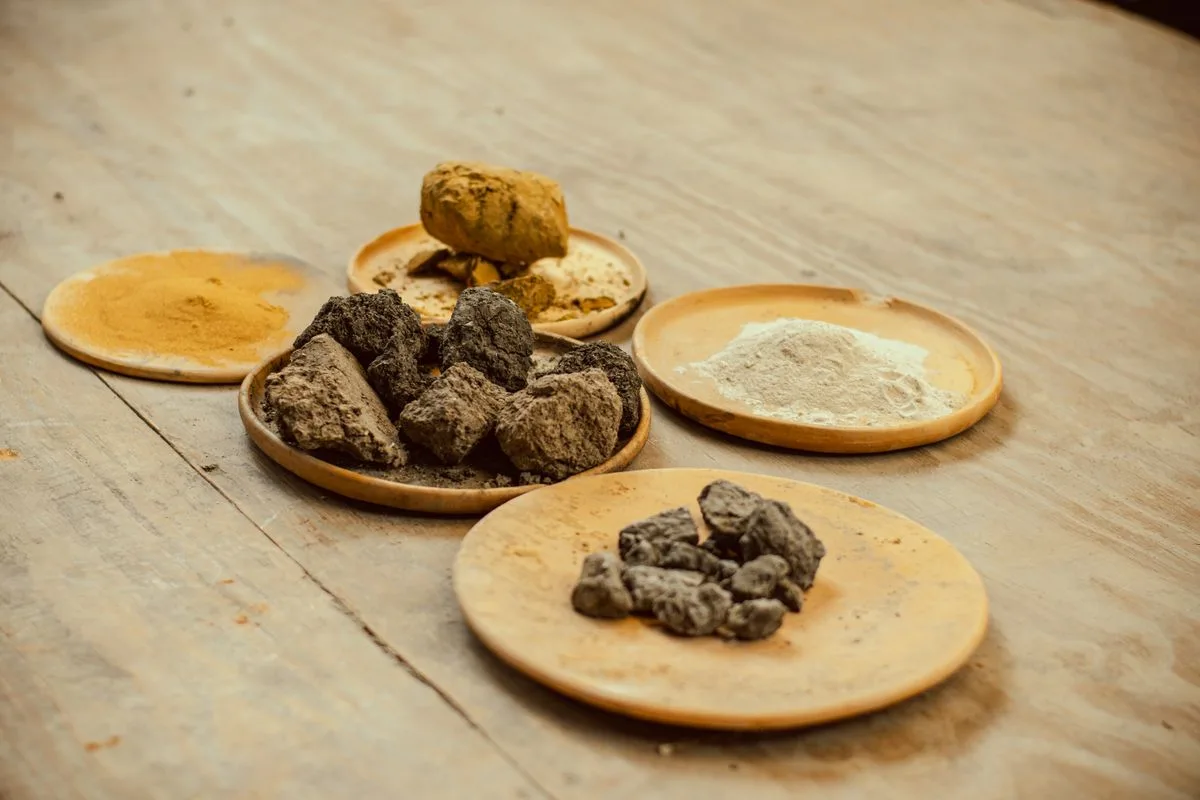
chapter 2
Learn the main types of clay for pottery—terracotta, earthenware, stoneware and porcelain—and choose a clay body by project, firing range and data sheet.
Read the article: Types of clay for pottery: how to choose a clay body for your piece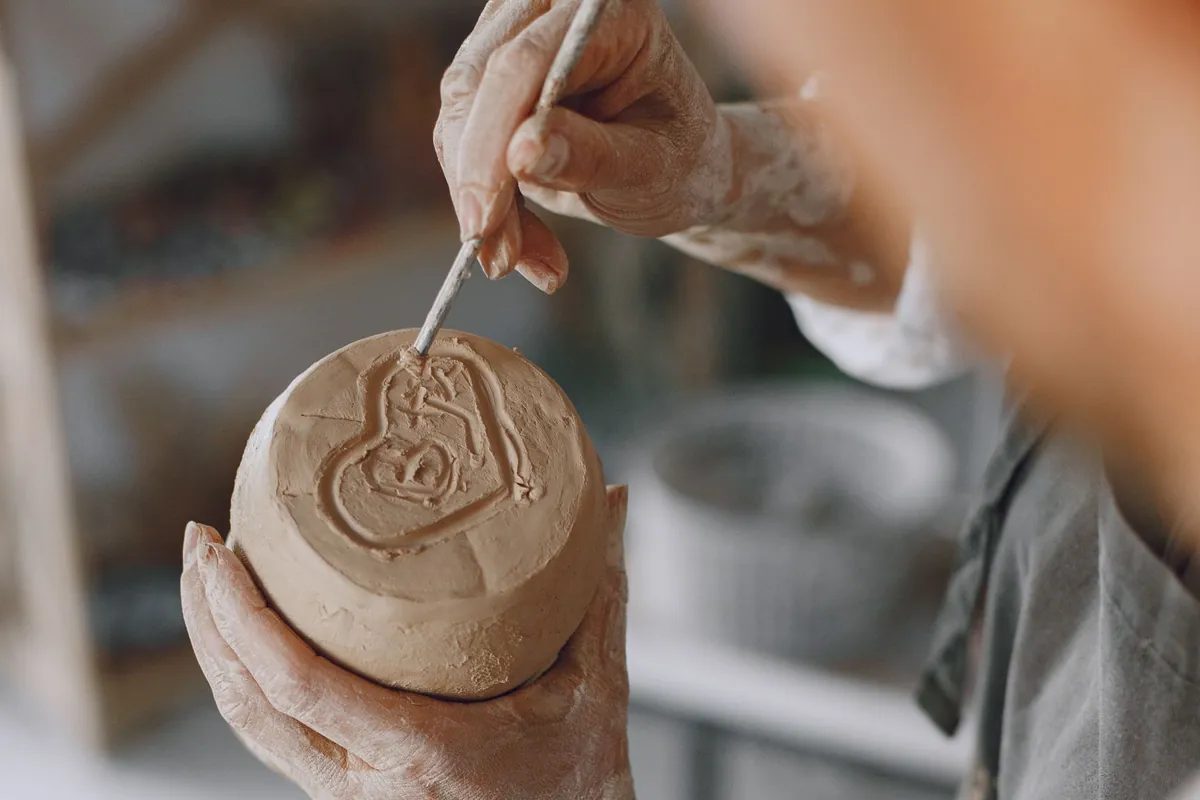
chapter 3
Learn how to recognize leather-hard clay, distinguish its stages and decide when to cut, bend, join, remove it from a mold and finish your pottery.
Read the article: Leather-hard clay: how to recognize each stage and when to work it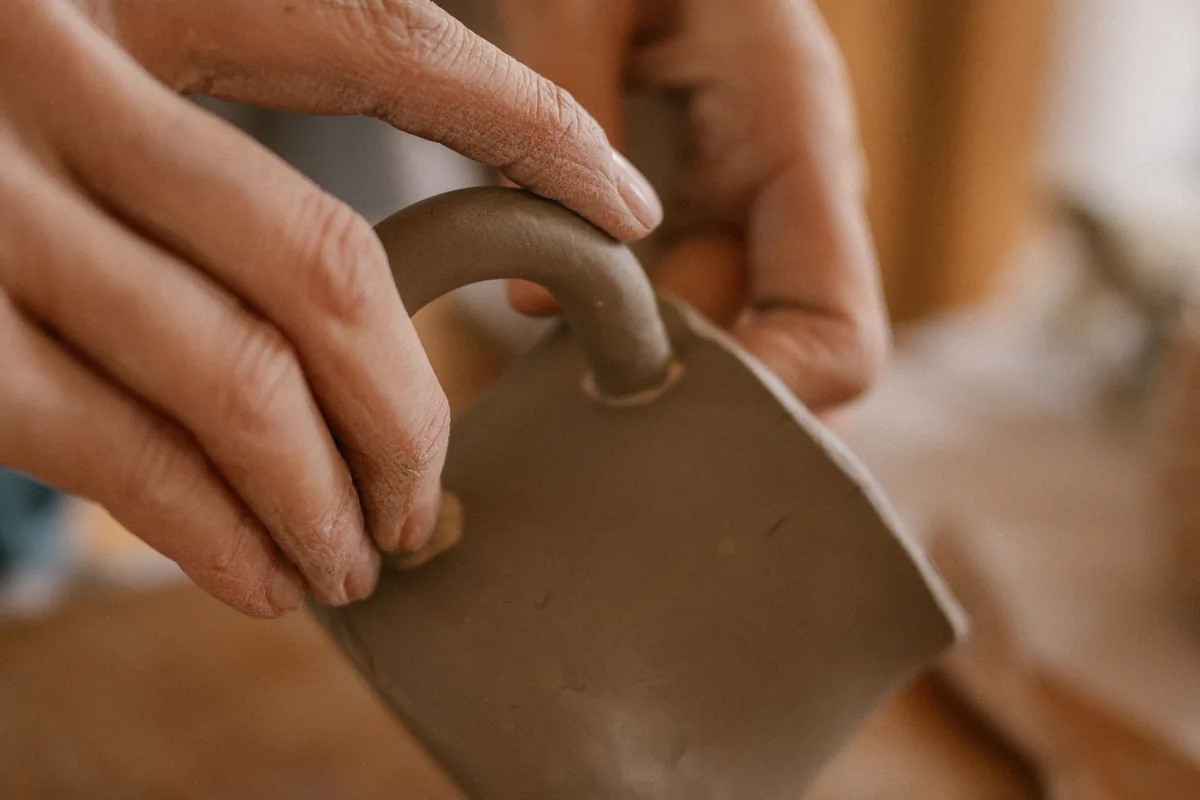
chapter 5
How to join clay with scoring and joining slip: when each one helps, how to check the fit before wetting, back up the seam and inspect it without hiding flaws.
Read the article: How to join clay: score and slip, backing support and seams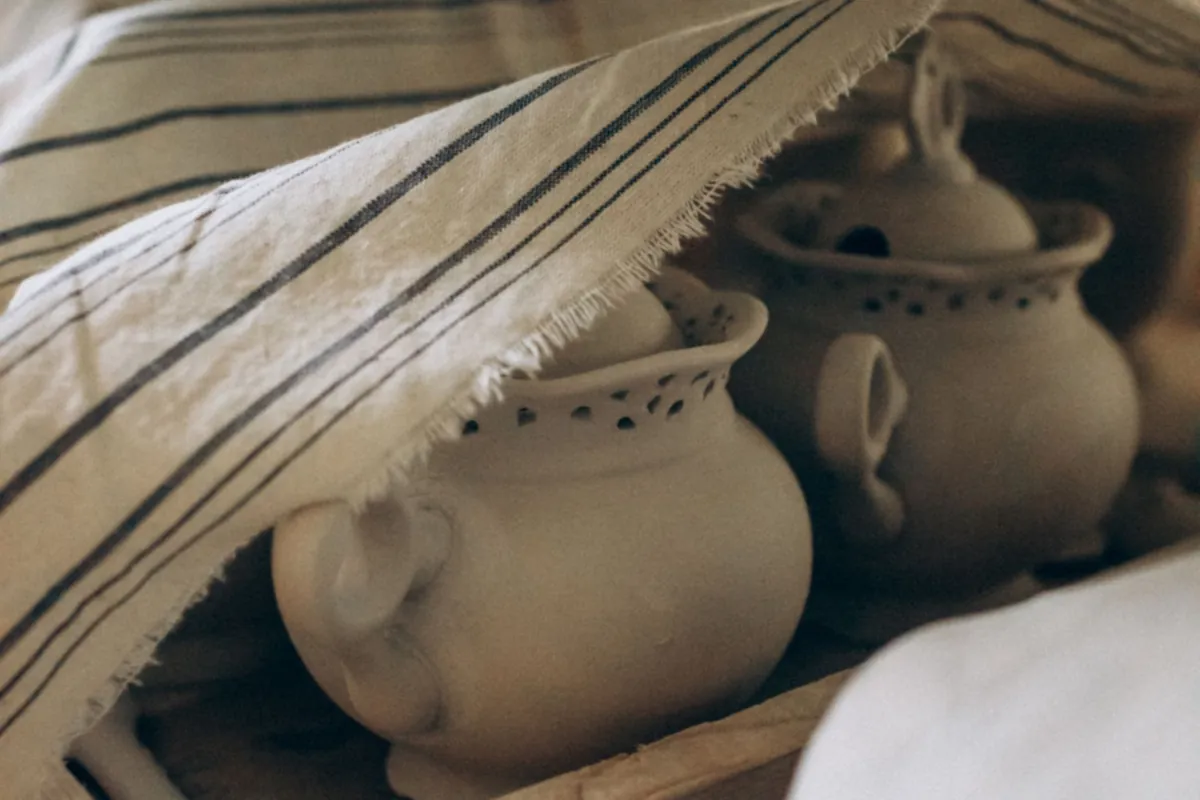
chapter 24
How to dry pottery without cracking: why the rim dries before the base, how to cover without drips, when to flip a piece, how to protect handles, what to weigh.
Read the article: How to dry pottery without cracking: covering, support and checks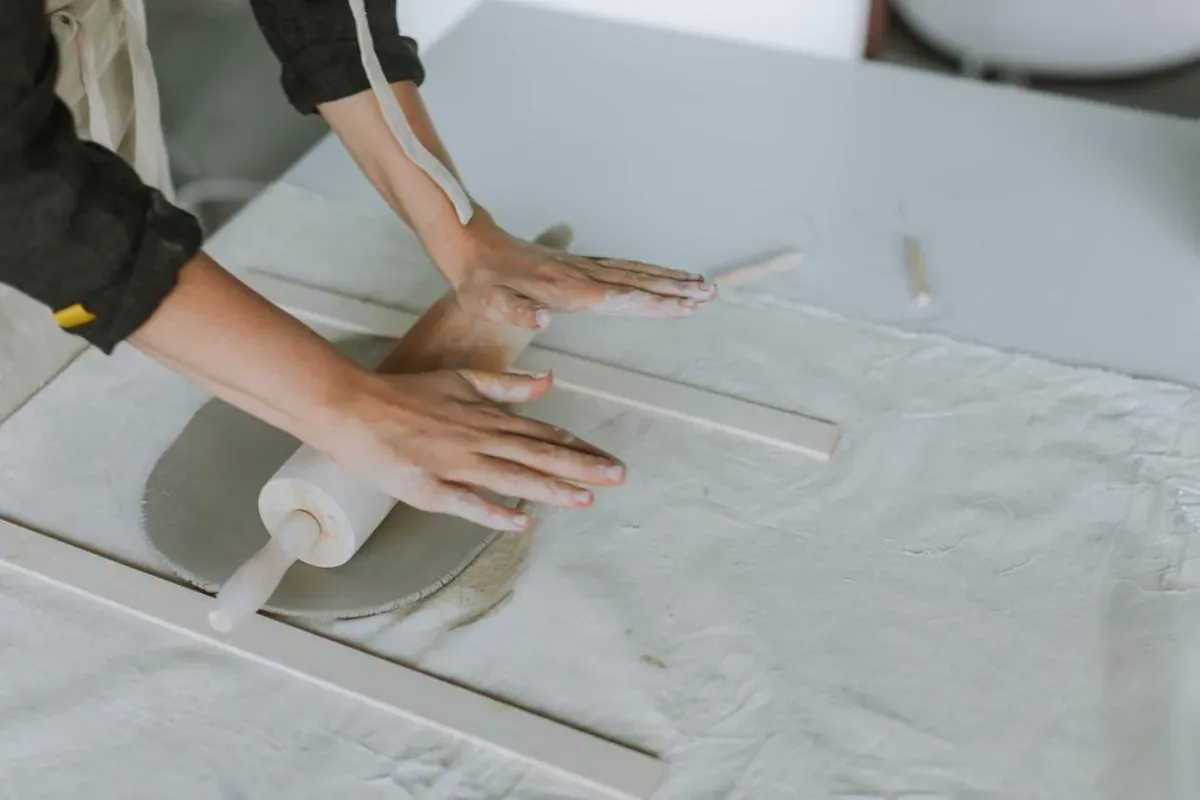
chapter 9
Learn how to roll out a clay slab with a rolling pin and guides, measure its thickness, allow for shrinkage, and cut and move it without stretching.
Read the article: How to roll out a clay slab: thickness, cutting and handling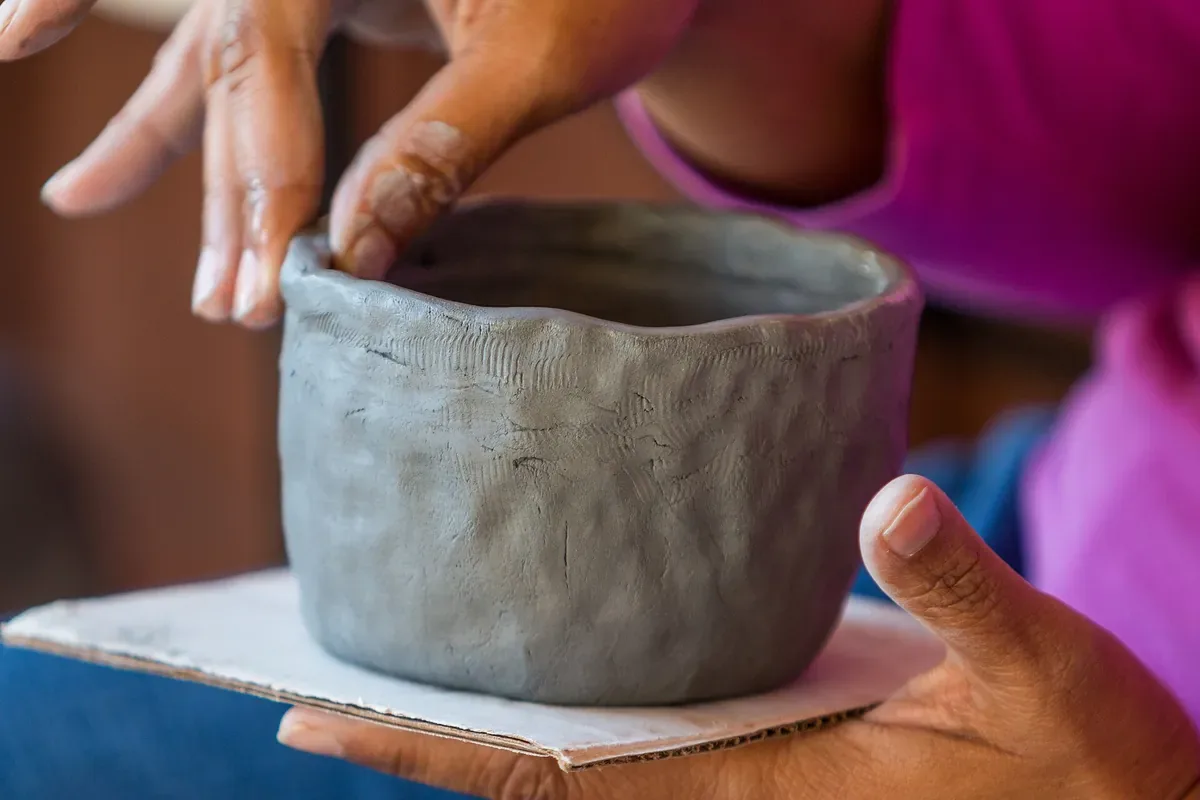
chapter 6
Learn how to make a pinch pot: shape a small bowl step by step, check wall and bottom thickness, refine the rim and understand common causes of cracking.
Read the article: How to make a pinch pot: the pinch technique step by step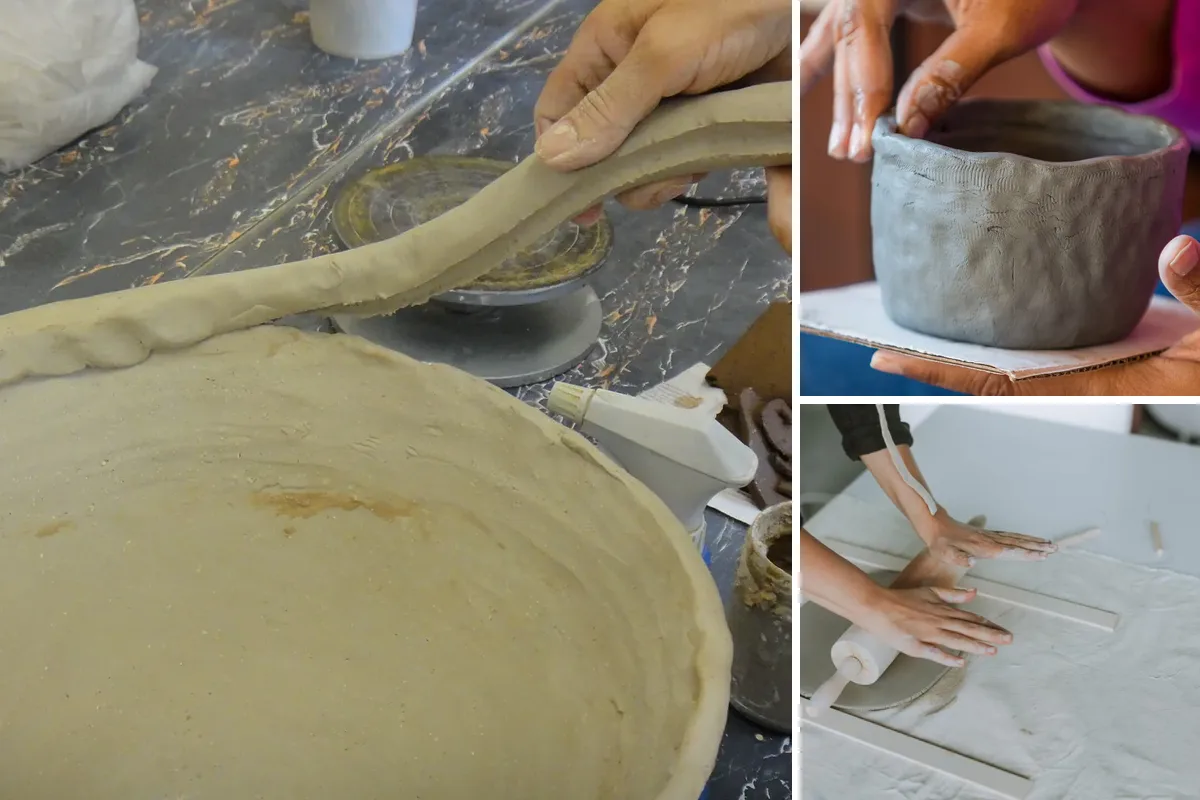
chapters 1, 3, 5–9, 16, 18 and 19
Pinch, coil, slab, extrusion and molds: what each hand-building pottery technique is for, when to choose it and what to check before you start working.
Read the article: Pottery without a wheel: hand-building techniques